Advanced manufacturing solutions engineered for precision, sustainability, and high-volume output.
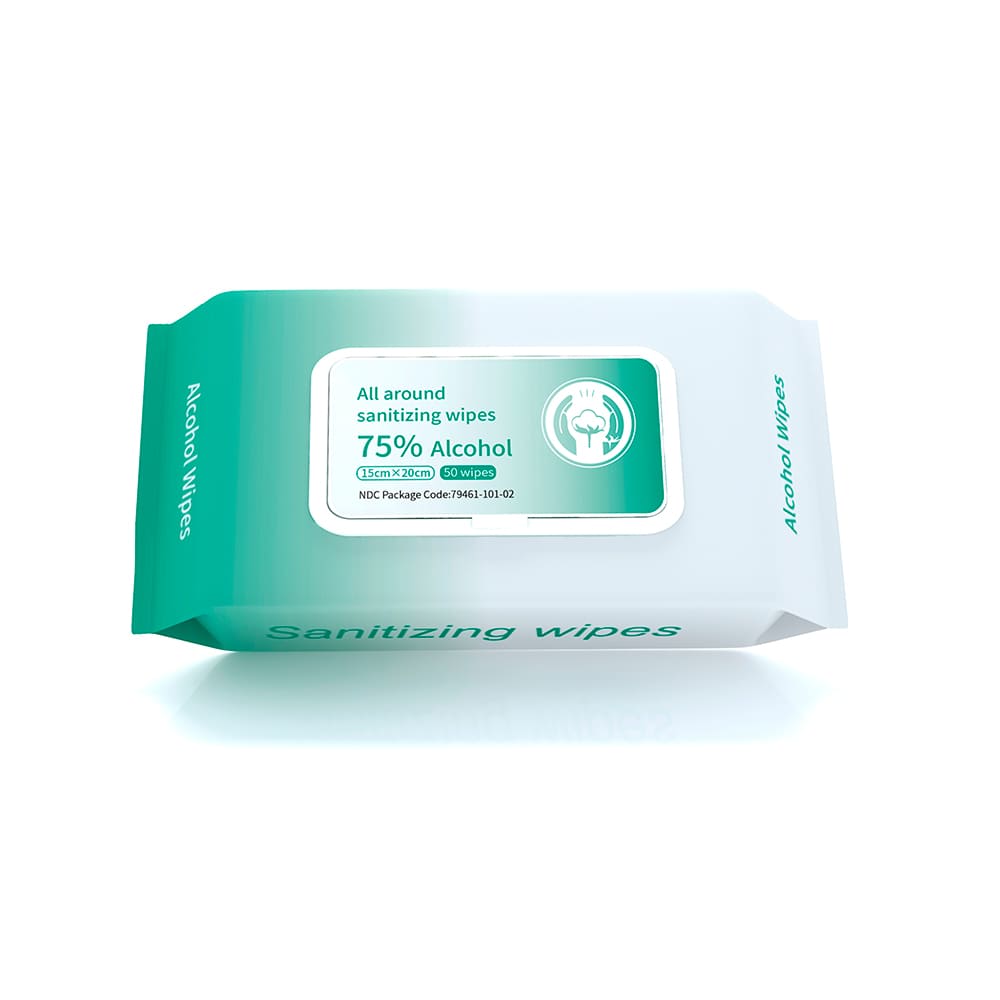

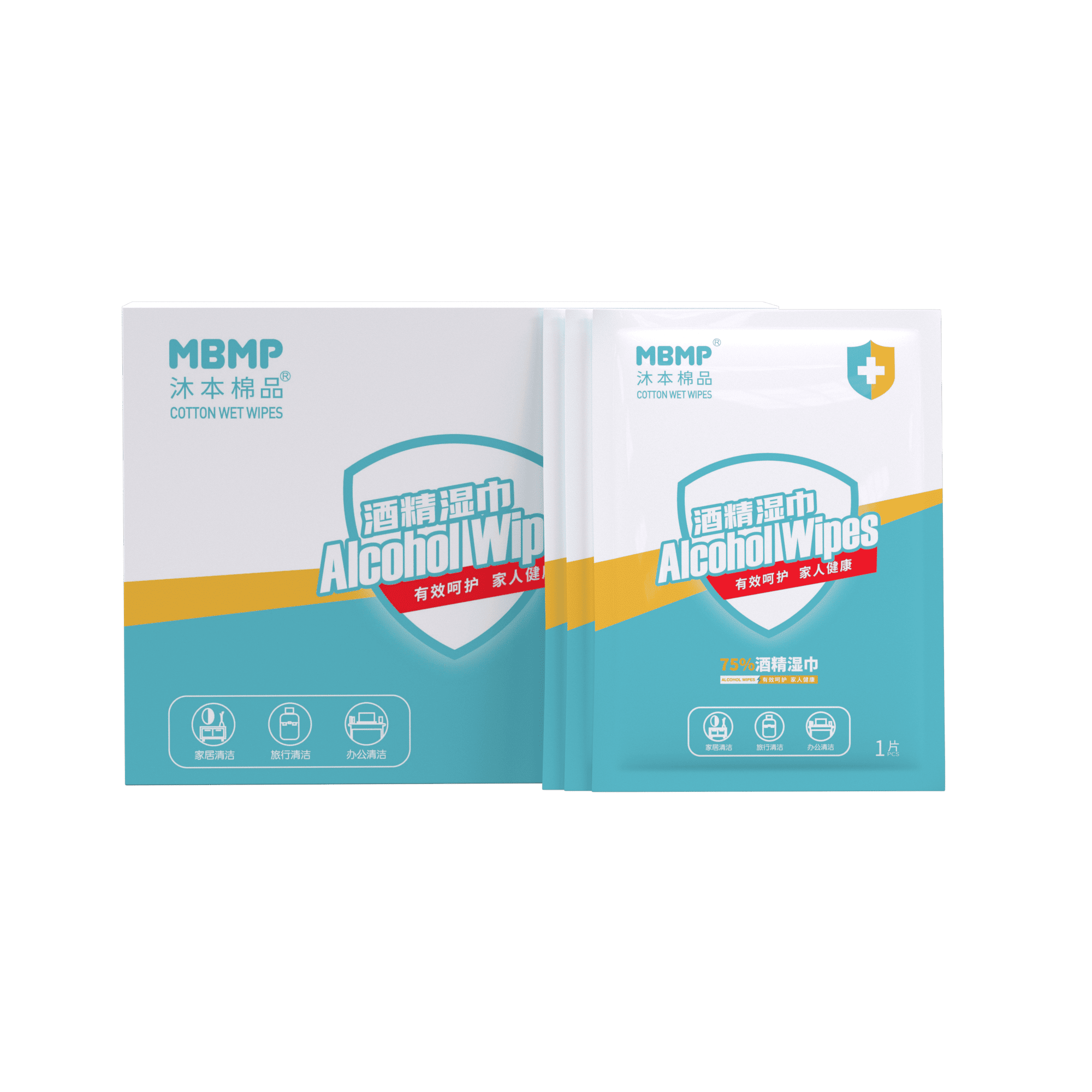

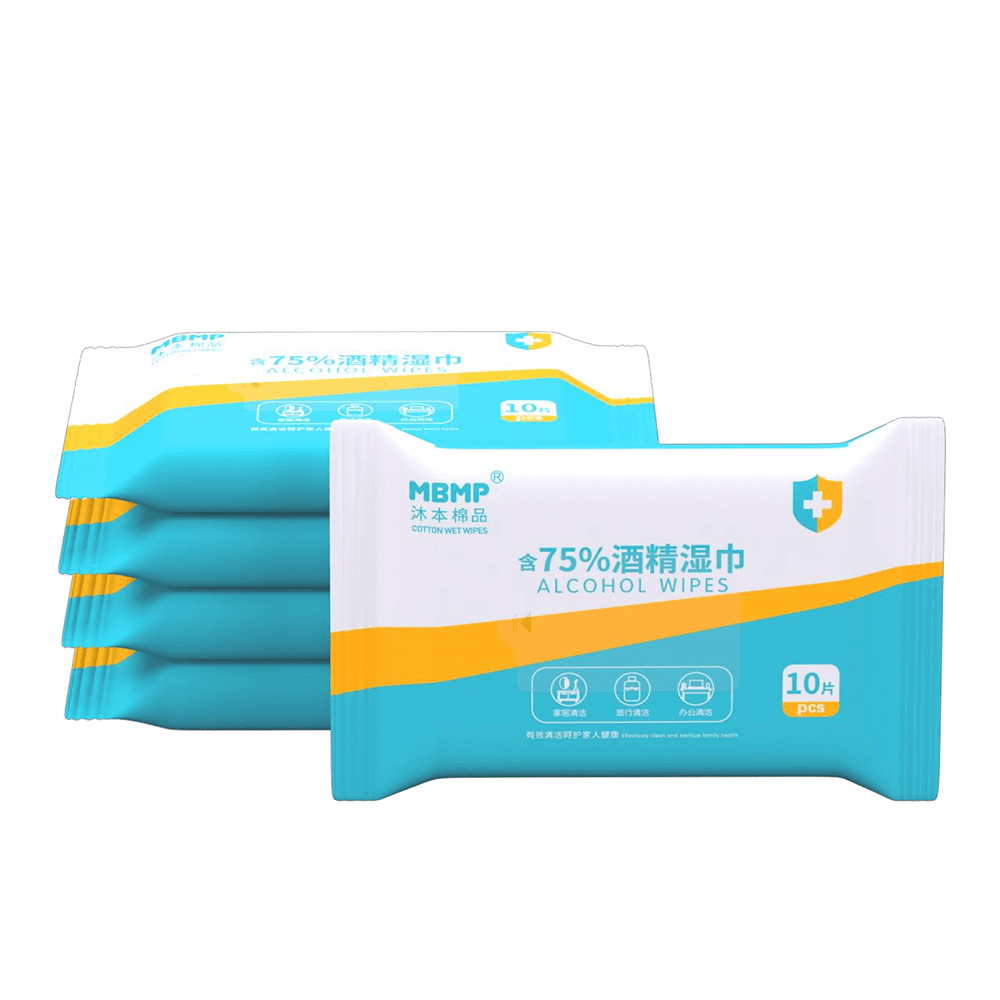

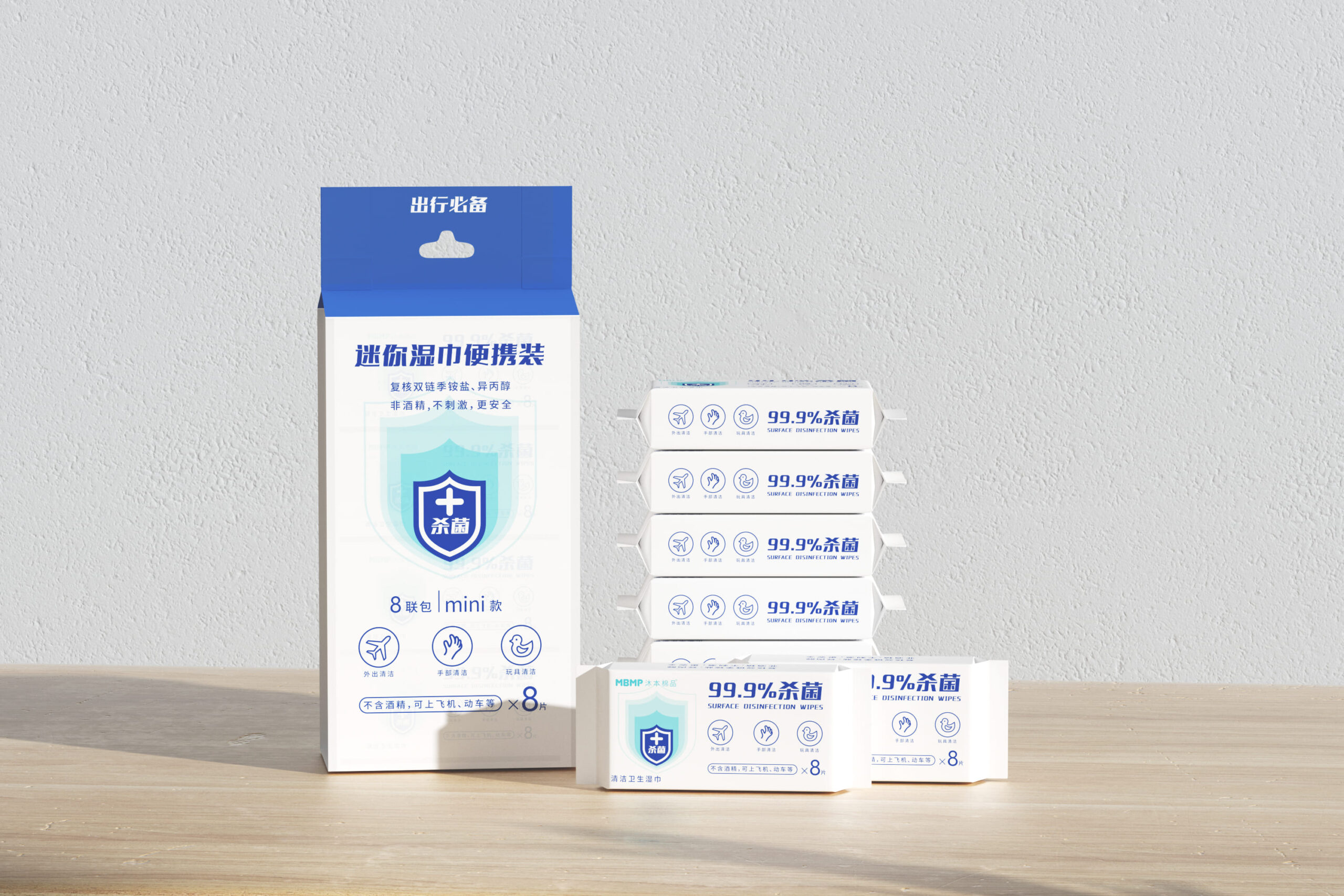


Antibacterial Wipes vs. 75% Alcohol Antibacterial Wipes: Performance, Functions, and Safety Guidelines
Antibacterial wipes are essential daily hygiene and protection products. Among them, 75% alcohol antibacterial wipes are the preferred choice for specific scenarios due to their clear disinfection efficiency, while the broader category of antibacterial wipes adapts to diverse needs through multi-component formulations. This article will systematically analyze the core performance and practical functions of both, focusing on key safety usage points, clarifying potential hazards and scientific response methods, providing professional reference for daily use.
Ⅰ.Core Performance: Ingredients Determine Characteristic Differences
The performance difference between antibacterial wipes and 75% alcohol antibacterial wipes stems from their core active ingredients. The former has diverse components (containing non-alcohol-based bactericides), while the latter uses 75% concentration medical alcohol as its core. This directly leads to significant differences in bactericidal efficiency, irritability, stability, and other aspects.
(I) Antibacterial Wipes (Primarily Non-Alcohol Type)
Antibacterial wipes typically use quaternary ammonium compounds (such as benzalkonium chloride, chlorhexidine), plant extracts (such as honeysuckle, mugwort), or composite bactericides as effective ingredients. Some products add moisturizers and corrosion inhibitors. Their performance is characterized as “gentle and efficient”:
Bactericidal Performance: Broad-Spectrum, Long-Lasting, Targeted
Achieves over 99% kill rate against common pathogens (E. coli, Staphylococcus aureus, Candida albicans, etc.). Some formulas are effective against enveloped viruses like influenza and norovirus.
The bactericidal effect lasts longer (typically 2-4 hours), can form a temporary antibacterial layer on surfaces, reducing secondary bacterial growth.
Physical Stability: Storage-Resistant, Good Environmental Adaptability
Contains no volatile components; can be stored stably for over 2 years at room temperature (10-30°C) in dark conditions. The wipes themselves are less likely to dry out due to ingredient evaporation.
No issues like freezing or ingredient precipitation in low-temperature environments, suitable for northern winters or cold chain transportation scenarios.
Material Compatibility: Low Corrosion, Wide Applicability
Non-corrosive to common materials like metals (stainless steel, aluminum alloy), plastics (PP, PE), leather, and wood. Does not cause surface discoloration, aging, or loss of gloss. Can be used directly to clean items like phone screens, furniture, and children’s toys.
Skin Friendliness: Low Irritation, Good Moisturization**
pH value is close to human skin (5.5-7.0). Contains moisturizing ingredients like glycerin and panthenol. Frequent use is less likely to cause skin dryness or tightness. Most products, after dermatological testing, can be used on areas of direct skin contact like hands and face.
(II) 75% Alcohol Antibacterial Wipes
75% alcohol antibacterial wipes use medical-grade ethanol as the core bactericidal ingredient, with alcohol concentration strictly controlled at 70%-75% (optimal bactericidal effect at this concentration). Their performance focuses on “rapid disinfection, but with certain limitations”:
Bactericidal Performance: Fast-Acting, Strong Penetration, High Inactivation Efficiency
Alcohol can quickly destroy the protein structure of bacteria and viruses, achieving “kill on contact.” Inactivation time for pathogens like the COVID-19 virus, influenza virus, and pneumococcus is typically no more than 30 seconds.
However, it has weaker efficacy against bacterial spores and fungal spores, making it unsuitable for extreme contamination scenarios.
Volatility and Stability: Easily Volatile, Requires Sealed Storage
Alcohol has a low boiling point (78.4°C) and evaporates easily at room temperature. Unsealed wipes can dry out within 1-2 hours, causing loss of bactericidal effect.
There is a combustion risk in high-temperature (above 40°C) or open flame environments. Storage and use require strict temperature control.
Material Compatibility: Relatively Strong Corrosiveness, Limited Applicability
Alcohol can dissolve some organic materials. It is corrosive to materials like painted surfaces, rubber, cellulose acetate (e.g., coatings on some eyeglass lenses), and leather, potentially causing surface peeling, hardening, or loss of elasticity.
Not suitable for use inside electronic devices, precision instruments, and similar scenarios.
Skin Irritation: Causes Dehydration, Use with Caution for Sensitive Skin
Alcohol can damage the skin’s sebum film, leading to moisture loss. Frequent use can easily cause skin dryness, roughness, and even redness, stinging, and other sensitive reactions.
Individuals allergic to alcohol may experience rashes, itching, and other symptoms upon contact.
Ⅱ.Core Functions: Scenario Suitability Determines Usage Choice
Based on performance differences, the applicable scenarios for the two types of antibacterial wipes have their own emphasis. Reasonable matching of scenarios can maximize their hygiene protection value and avoid resource waste or safety risks.
(I) Core Functions of Antibacterial Wipes
Daily Skin Cleaning and Disinfection: Suitable for hand cleaning in homes, schools, and offices, especially for special groups like children, pregnant women, people with sensitive skin, and hemorrhoid sufferers. Can replace hand sanitizer in scenarios without running water (e.g., subways, scenic spots, long-distance travel) for convenient disinfection.
Infant Product Disinfection: Can be safely used to clean high-touch items like the exterior of baby bottles, toys, pacifiers, and stroller handles. Gentle and non-irritating, avoiding chemical residues that could affect infant health.
Home and Office Environment Disinfection: Used for daily disinfection of surfaces like desks, sofas, door handles, keyboards, and mice. Does not damage furniture or electronic device appearance, suitable for long-term, high-frequency use.
Wound Perimeter Cleaning: Some antibacterial wipes containing medical-grade benzalkonium chloride can be used to clean the skin around minor wounds or abrasions, reducing the risk of bacterial infection and avoiding the stinging pain caused by alcohol.
(II) Core Functions of 75% Alcohol Antibacterial Wipes
Disinfection of High-Touch Hard Surfaces: Targets hard surfaces in public scenarios like elevator buttons, door handles, ATM keypads, shared bicycle handles, etc. Quickly kills residual pathogens with high efficiency, suitable for scenarios with multiple people contacting surfaces within a short time.
Auxiliary Disinfection in Medical Scenarios: Medical staff can use them for rapid hand disinfection before diagnosis/treatment (must comply with hand hygiene protocols) or for immediate disinfection of medical equipment surfaces (e.g., stethoscopes, outer side of blood pressure cuff sleeves), providing basic safety for diagnosis.
Emergency Epidemic Prevention Disinfection: During high-incidence periods of respiratory infectious diseases like influenza or COVID-19, can be used to disinfect the outer side of masks (non-skin contact side), phone surfaces, keys, and other personal items to reduce cross-infection risk.
Rapid Disinfection of Specific Items: Used for quick disinfection of eyeglass lenses without special coatings or metal utensil surfaces. Alcohol evaporates after disinfection, leaving no residue, requiring no additional wiping.
III. Safety Precautions: Full-Process Specifications from Storage to Use
Safe use of antibacterial wipes needs to cover multiple links including storage, operation, and protection for special populations. Among them, 75% alcohol antibacterial wipes require extra attention to fire prevention due to their flammability, while antibacterial wipes require attention to ingredient allergy risks.
(I) General Safety Precautions
Purchase Legitimate Products: Choose products with legitimate manufacturer labels, production date, shelf life, and hygiene license number for disinfectant product manufacturers. For antibacterial wipes, check the ingredient list to avoid products containing harmful ingredients like formaldehyde-releasing agents, fluorescent brighteners, etc.
Skin Test Before Use: When using a brand for the first time, take a small amount of the wipe to rub on the inner arm skin, observe for 24 hours for no allergic reactions like redness, swelling, or itching before normal use.
Avoid Contact with Sensitive Areas: Neither type of wipe should be used on eye, oral, or nasal mucosa, or inside wounds. When wiping the face, avoid delicate areas around the eyes and lips.
Control Usage Frequency: Skin disinfection does not need to be excessive; daily hand cleaning 3-5 times is sufficient. Overuse can damage the skin’s natural barrier, reducing its own resistance.
Properly Dispose of Waste: Used wipes belong to other garbage and should be placed in sealed trash bins to avoid spreading bacteria through random discarding. Severely contaminated wipes (e.g., contacted with patient bodily fluids) should be handled according to medical waste regulations.
(II) Special Precautions for Antibacterial Wipes
Pay Attention to Ingredient Contraindications:** Wipes containing quaternary ammonium compounds should not be used simultaneously with soap, laundry detergent, and other anionic surfactants, as this will reduce bactericidal effectiveness. Avoid use on natural fiber fabrics like silk and wool, which may cause material hardening.
Usage Restrictions for Special Populations: Those allergic to ingredients like benzalkonium chloride or chlorhexidine should not use them. When used for infants, prevent them from biting the wipes, and wash hands promptly after use to prevent accidental ingestion of residual components.
Storage: Avoid High Temperature and Humidity: Although there is no fire risk, they should be sealed and stored in a cool, dry place, avoiding direct sunlight to prevent moisture, mildew, or ingredient deterioration.
(III) Special Precautions for 75% Alcohol Antibacterial Wipes
Strict Fire and Explosion Prevention: Storage temperature should be below 30°C, away from fire sources like kitchens, lighters, mosquito coils, and high-temperature equipment. Do not operate in flammable/explosive places like kitchens or gas stations during use; do not approach open flames or smoke.
Seal to Prevent Evaporation: Tightly close the packaging seal immediately after each use to prevent alcohol evaporation causing wipes to become ineffective. It is recommended to use within 1 month after opening. Wipes stored for over 2 months should be checked for moisture; if dried out, they should not be used for disinfection.
Identify Material Contraindications: Should not be used on painted furniture, rubber products, coated glasses, leather sofas, etc. When wiping electronic devices (like phones), avoid charging ports, earpieces, and other gaps to prevent alcohol seepage causing short circuits.
Special Populations Should Avoid Use: Infants, individuals allergic to alcohol, people with skin damage or eczema should avoid use. Pregnant women should use in a ventilated environment to avoid prolonged contact causing dizziness or discomfort.
Ⅳ.Potential Hazards and Solutions: Scientific Response to Emergency Situations
The potential hazards of the two types of antibacterial wipes have different emphases – antibacterial wipes are prone to cause allergies or accidental ingestion, while 75% alcohol antibacterial wipes primarily carry risks of fire and skin damage. Targeted emergency response measures are required.
Antibacterial Wipes:
Potential Hazard: Skin Allergy (redness, itching, rash)
Emergency Solution: Immediately rinse the contacted area with plenty of running water, stop using the product. For mild symptoms, apply calamine lotion; for severe cases (e.g., rash spreading, difficulty breathing), seek immediate medical attention and inform the doctor of the wipe ingredients.
Preventive Measures: Conduct skin test before use; check ingredient list when purchasing, avoid known allergens.
Potential Hazard: Accidental Ingestion by Infants (licking or swallowing small amount)
Emergency Solution: Immediately rinse mouth with water, observe for vomiting, diarrhea, lethargy, or other symptoms. Do not induce vomiting (to avoid irritating the esophagus), take the wipe packaging and seek medical attention promptly for the doctor to assess if further treatment is needed.
Preventive Measures: Store wipes in places out of infants’ reach; supervise throughout use, prevent biting.
Potential Hazard: Mucous Membrane Irritation (accidentally entering eyes or mouth)
Emergency Solution: Eyes: Immediately rinse with saline or running water for 15-20 minutes, lifting the eyelid during rinsing. Mouth: Rinse repeatedly with water. If symptoms like stinging or blurred vision persist, seek immediate medical attention.
Preventive Measures: Keep hands steady during use, avoid sensitive facial mucous membranes; assist children during operation.
75% Alcohol Antibacterial Wipes:
Potential Hazard: Fire Risk (contact with ignition source causing combustion)
Emergency Solution: For small fires, use dry powder fire extinguisher or wet towel to smother the fire. If clothing catches fire from alcohol, immediately lie down and roll to extinguish flames, do not run. For spreading fires, evacuate immediately and call 119, specifying it’s an alcohol fire.
Preventive Measures: Keep away from ignition sources during use and storage; wait for alcohol to completely evaporate after use before approaching open flames.
Potential Hazard: Skin Damage (dryness, cracking, allergy)
Emergency Solution: Stop using the wipe, apply a gentle moisturizer to the damaged skin. For allergies, handle as per the “skin allergy” method above; seek medical attention for severe cases.
Preventive Measures: Control usage frequency, apply hand cream after each use; those with sensitive skin can choose alcohol-free wipes as an alternative.
Potential Hazard: Inhalation of Excessive Alcohol Vapor (dizziness, nausea)
Emergency Solution: Immediately move to a well-ventilated outdoor area, sit down and rest, keep airway clear. If symptoms like confusion or vomiting occur, immediately call 120 emergency number.
Preventive Measures: Avoid large-scale use in confined spaces (like elevators, small bathrooms); keep environment ventilated during operation.
Partner with a manufacturer that prioritizes quality, hygiene, and sustainability.