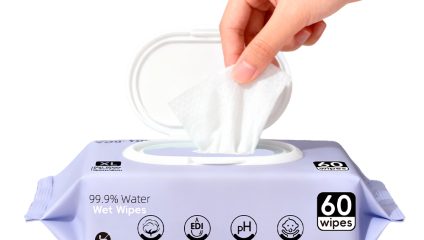
Wet wipes have become a common part of everyday life. Whether it’s baby wipes, disinfectant wipes, or general wet wipes for quick cleaning, many people rely on them at home, at work, or while traveling. However, traditional wipes are often made with synthetic fibers that are difficult to break down, which has raised growing environmental concerns.
As a result, more consumers are beginning to look for alternatives such as biodegradable wipes, especially those made from bamboo fiber.
A More Sustainable Material for Wet Wipes
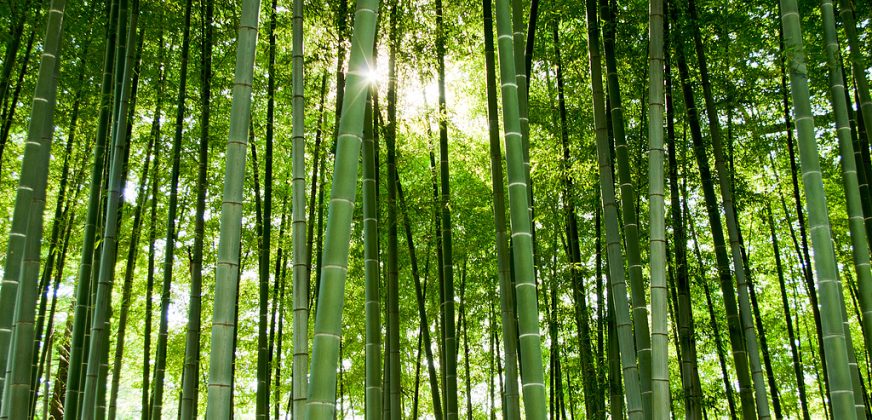
Bamboo is widely recognized as a fast-growing and renewable plant. Compared with many conventional raw materials, it grows quickly and requires relatively little water. When used in nonwoven fabrics, bamboo fiber can help produce biodegradable wet wipes that have a lower environmental impact.
For manufacturers and brands developing eco-friendly product lines, bamboo fiber has become an increasingly attractive option for producing wet wipes that combine practicality with sustainability.
 Convenient for Daily Use
Portability is one of the reasons wipes are so widely used today. Small packs of wipes can easily fit into a pocket, backpack, or diaper bag, making them practical for everyday situations.
For parents, baby wipes are an essential item for keeping a child clean and comfortable. At the same time, adults often carry wipes for quick hand cleaning, wiping surfaces, or refreshing the skin while on the go.
Key Benefits of Bamboo Fiber Wipes
Eco-friendly and biodegradable
Because bamboo fiber is derived from a natural plant source, it can be used to produce biodegradable wipes that break down more easily than conventional synthetic wipes.
Soft and gentle texture
Bamboo fibers tend to produce a soft nonwoven fabric, making these wipes suitable for skin contact. This is particularly important in products such as baby wipes, where gentle care is essential.
Strong absorbency
Bamboo fiber has good moisture-holding capacity. This allows the wipes to absorb liquid efficiently and helps improve cleaning performance.
Natural antibacterial characteristics
Bamboo contains natural components that can help inhibit bacterial growth. For this reason, bamboo fiber materials are sometimes used in products such as disinfectant wipes and hygiene wipes designed for everyday sanitation.
Versatile applications
Bamboo fiber wipes can be used for many purposes, including personal hygiene, quick surface cleaning, and travel use. Their versatility makes them a practical option in both households and workplaces.
Practical Ways to Use Bamboo Wet Wipes
Keeping a pack of wipes nearby can be useful in many situations. For example:
-
Cleaning hands while traveling
-
Using baby wipes for infant care
-
Wiping small spills or messes
-
Cleaning desks, phones, or keyboards
-
Using disinfectant wipes for quick sanitation of frequently touched surfaces
Because of their flexibility, wipes have become a convenient solution for many everyday cleaning tasks.
A Growing Trend Toward Biodegradable Wipes
Consumer awareness around environmental protection continues to grow, and this is influencing the wet wipes industry. Many brands are now developing biodegradable wipes made from plant-based fibers such as bamboo.
These products aim to maintain the convenience of traditional wipes while offering a more environmentally responsible option.
Conclusion
From baby wipes to disinfectant wipes, the demand for reliable and convenient wet wipes continues to grow. At the same time, sustainability has become an important factor in product development.
Bamboo fiber materials offer a promising direction for producing biodegradable wet wipes that are soft, practical, and better aligned with modern environmental expectations. As innovation in nonwoven materials continues, bamboo-based wipes are likely to play an increasingly important role in the future of the wipes industry.